
Uncovering the truth myths about gambling debunked
The Illusion of Winning Streaks
One common myth surrounding gambling is the belief in winning streaks, where players think that a series of wins means they are on a lucky streak. This misconception is often fueled by anecdotal stories and personal experiences shared among gamblers. However, in reality, gambling outcomes are determined by random chance, particularly in games like slots and roulette, where previous results do not influence future outcomes. Understanding this principle can save players from making poor decisions based on false confidence. To help new users, the site offers support through links like https://1xbetapp-ie.com/registration-and-login/, which guide them through the process of getting started.
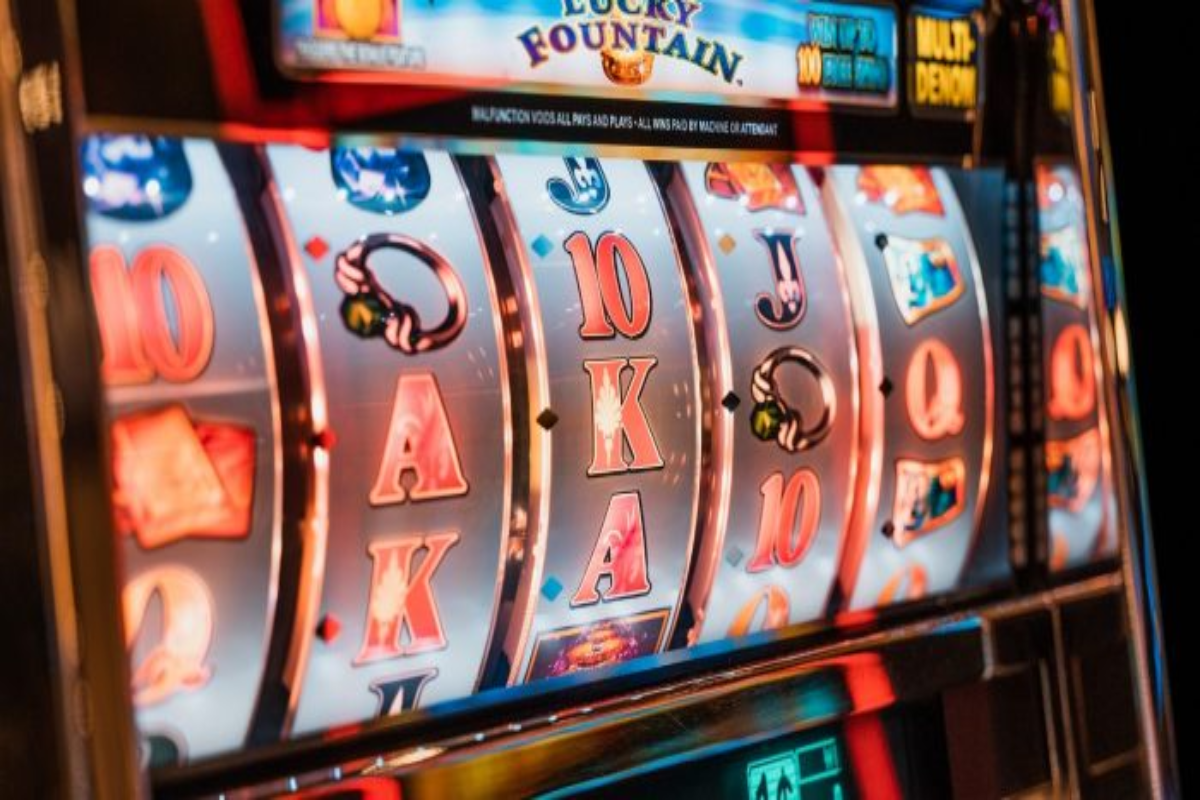
The psychology behind this myth is rooted in what’s known as the Gambler’s Fallacy, where individuals believe that past events affect the probability of future events. For instance, if a player sees that red has come up several times in a row on a roulette wheel, they might feel that black is “due” to come up next. This flawed logic can lead to increased bets and greater financial loss when the expected outcome fails to occur.
Moreover, casinos are aware of these psychological tendencies and design their games to capitalize on them. The bright lights, sounds, and even the layout of gaming floors are engineered to create an exhilarating environment that keeps players engaged. This can sometimes perpetuate the belief in luck and streaks, ultimately reinforcing the idea that gambling is more about chance than skill or strategy.
The Misconception of Skill-Based Games
Another prevalent myth is the assumption that skill-based games offer a surefire way to beat the house. While games like poker and blackjack involve elements of strategy and player skill, they still operate within a framework that favors the house. Many players overestimate their abilities, thinking that they can consistently outsmart the game or other players, leading to inflated expectations and potential losses.
For instance, in poker, understanding probabilities and player psychology can indeed enhance a player’s chances of winning. However, this doesn’t guarantee consistent profits. The competitive nature of the game means that even skilled players can face prolonged periods of loss, especially if they encounter opponents who are equally skilled or have a better grasp of the current game dynamics.
Furthermore, even in so-called skill-based games, the concept of variance plays a significant role. Over time, even the best players will experience both winning and losing streaks. This unpredictability can lead to frustration and the mistaken belief that their skills alone will ensure success, leading to increased wagering and financial risk.
The Allure of Luck and Superstitions
The belief in luck is a significant driving force behind gambling behavior. Many players engage in rituals or adopt certain superstitions in the hope of influencing their luck. For example, some gamblers wear lucky charms or perform specific actions, such as tapping the machine before playing. While these behaviors can provide a sense of comfort and control, they do not have any effect on the actual outcome of games.
Psychologically, these rituals are tied to the human need for meaning and control in uncertain situations. When faced with random outcomes, individuals may create patterns or behaviors that they believe will sway the results in their favor. This can lead to the false notion that luck is a tangible force that can be harnessed.
Moreover, the gambling industry’s marketing strategies often play into this belief by promoting stories of winners who attribute their success to luck. This can create an unrealistic expectation among gamblers, fostering a cycle of chasing luck while neglecting the inherent risks associated with gambling. Understanding this myth is crucial for cultivating a healthier relationship with gambling activities.
The Myth of Controlled Gambling
Many individuals believe they can control or predict gambling outcomes through strategy or timing. This myth is particularly prevalent among casual gamblers who assume that their decisions can sway the results in their favor. For example, some players think they can time their visits to the casino when the games are ‘hot’ or ‘cold,’ based on previous patterns. In reality, each game is independent, and outcomes are not influenced by the timing or frequency of play.
The notion of controlled gambling can lead to dangerous behavior. When players feel they have control, they are more likely to increase their bets, pushing their limits further and risking substantial financial losses. This is particularly harmful in games like slots, where outcomes are purely random and cannot be predicted or controlled.
Educating oneself about the nature of gambling, including recognizing that it is fundamentally a game of chance, is vital for responsible gaming. Players should be aware that there are no guarantees, and the idea of control can lead to significant risks and irresponsible gambling behavior. Understanding this truth is crucial for developing a realistic approach to gambling.
Responsible Gambling Tools and Resources
Many online platforms, including gambling apps, offer a variety of responsible gambling tools designed to help players maintain control. These resources often include features like setting deposit limits, loss limits, and self-exclusion options. Utilizing these tools can significantly enhance a player’s ability to gamble responsibly and mitigate potential harm.
Moreover, education is a key component of responsible gambling. Many platforms provide informative materials that explain the nature of gambling, the risks involved, and the importance of maintaining healthy limits. This knowledge can empower players to make informed decisions and understand that gambling should be a form of entertainment rather than a means of income.
As part of a commitment to responsible gambling, platforms often promote awareness campaigns that highlight the signs of problem gambling and encourage users to seek help if needed. Players should take advantage of these resources to foster a more enjoyable and safer gaming experience.

Website Overview
This website is dedicated to providing essential information and resources for users interested in safe and responsible gambling. With a focus on the psychology of gambling, it aims to debunk myths and promote understanding about the nature of gambling behavior. Users can find a wealth of information about gambling strategies, the impact of psychological factors, and ways to engage in gaming responsibly.
By offering tools for responsible gambling and education about the nature of chance games, this platform emphasizes the importance of informed decision-making. The site serves as a guide for individuals looking to navigate the world of gambling while prioritizing their well-being and financial safety. Visitors can explore various resources designed to help them enjoy a balanced approach to gaming and understand the realities behind their gaming choices.